


Mardin: Stone City Overlooking the Mesopotamian Plains
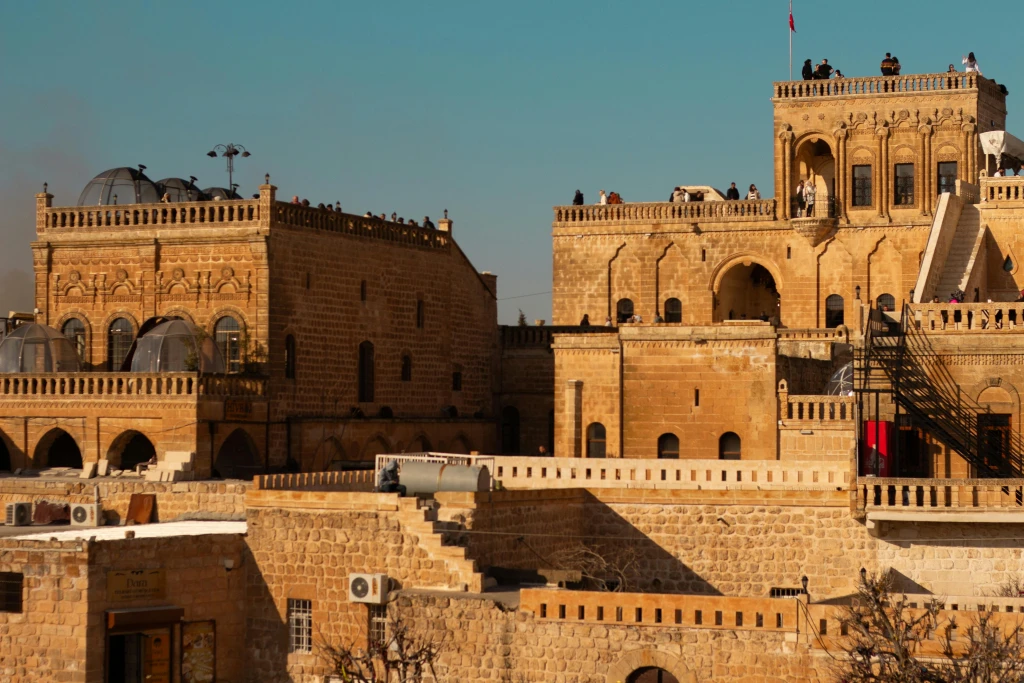
Mardin is one of the most distinctive cities in the Mesopotamia region, known for its stone architecture, layered history, and panoramic views over the Mesopotamian plains. Located in Southeastern Turkey, Mardin has served as a cultural and religious crossroads for thousands of years.
Unlike cities defined by a single monument, Mardin is itself a living historical landscape.
Historical Background of Mardin
Mardin’s history stretches back to ancient Mesopotamian times and includes periods under Assyrian, Roman, Byzantine, Artuqid, Seljuk, and Ottoman rule. Its strategic position along major trade routes made it a center of commerce, scholarship, and religious life.
This long continuity has shaped Mardin into a city where multiple cultures and belief systems developed side by side rather than replacing one another.
Stone Architecture and Urban Identity
Mardin is famous for its honey-colored limestone houses that cascade down the hillside. Built to adapt to the climate and terrain, these stone structures create a unified cityscape that has remained largely unchanged for centuries.
Narrow streets, courtyards, terraces, and arches define the urban fabric, offering a rare example of preserved medieval city planning still in daily use.
Religious and Cultural Diversity
One of Mardin’s most defining characteristics is its religious diversity. Mosques, churches, and monasteries coexist within the same urban space, reflecting centuries of shared life among different communities.
Landmarks such as historic madrasas and ancient Syriac monasteries illustrate Mardin’s role as a center of learning and spiritual life in Mesopotamia.
Mardin and the Mesopotamian Plain
From the upper terraces of the old city, visitors can see uninterrupted views across the vast Mesopotamian plain. This visual connection between city and landscape emphasizes Mardin’s historical role as a gateway between Anatolia and Mesopotamia.
The city’s elevated position provided both defense and symbolic prominence throughout history.
Visiting Mardin Today
Today, Mardin is a protected cultural heritage city that combines historical preservation with modern life. Visitors explore the old town on foot, experiencing architecture, local cuisine, and traditional crafts within their original setting.
Mardin offers a slower, immersive experience compared to monumental archaeological sites, allowing travelers to understand Mesopotamian history through daily life and living culture.
Mardin in the Mesopotamia Journey
Mardin represents the continuity of civilization rather than its beginning or end. It bridges ancient Mesopotamian foundations with medieval urban life and modern cultural identity.
As part of a Mesopotamia itinerary, Mardin provides depth, atmosphere, and cultural context—making it an essential destination for travelers seeking a complete understanding of the region.